
Starter homes in Newport Beach are most often condos, townhomes, and smaller attached residences, where total monthly costs and location can matter as much as the purchase price. Buying your first home in Newport Beach is a big milestone, and finding a property that fits your goals takes local market clarity. This guide explains how to compare neighborhoods, plan for ownership costs, and make a confident offer.
Newport Beach Starter Home Market Overview
Newport Beach starter homes are generally attached properties, so it helps to evaluate each listing through a total-cost and lifestyle lens.
- Starter-home pricing is usually most approachable in condos, townhomes, and smaller attached residences, while detached homes typically require a much higher budget.
- Well-priced entry properties with functional layouts, assigned parking, and manageable HOA costs can get attention quickly.
- Sale outcomes depend heavily on condition, financing strength, association health, and how closely the property matches buyer demand.
- Starter choices are usually broader among attached residences than entry-level detached homes, especially if you're open to different building ages and locations.
What the Newport Beach First-Time Buyer Market Looks Like Right Now
First-time buyers in Newport Beach usually find the most practical options in condos and townhomes rather than detached houses. Recent sales data on the Newport Beach community page shows a citywide median sales price of about $4,272,500 as of November 2026, a number pulled up by detached, waterfront, and view homes. U.S. Census estimates (2020 to 2024) also show that about 47.9% of the city's occupied homes are renter-occupied, a good reminder that housing here spans a wide range of budgets and property types.
For first-time buyers, the most important comparison isn't simply attached versus detached. It's whether a home's full monthly obligation fits your lifestyle, savings goals, commute, and how long you expect to stay. A condo with reliable parking, a workable floor plan, and reasonable association costs can be a stronger entry point than a larger property that stretches your budget.
Competition tends to be strongest for move-in-ready homes with practical features like storage, outdoor space, parking, or easy access to daily conveniences. Dated homes can still be worthwhile, but separate cosmetic updates from costs that could hit your budget soon after you move in.
Is Newport Beach Accessible for First-Time Home Buyers Today?
- Attached homes, including condos and townhomes, generally create more entry-level options than detached homes in Newport Beach.
- Single-family starter homes can be limited, so weigh location, condition, yard space, and maintenance responsibility carefully.
- Homes with practical layouts, parking, and manageable HOA dues may get more attention than homes with unresolved upkeep questions.
- The clearest path is to define a comfortable all-in monthly budget and focus quickly on homes that meet it.
Step 1: Smart Financial Planning for First-Time Buyers
A realistic Newport Beach starter-home budget starts with the payment you can comfortably manage each month, not the highest purchase price a lender might approve. Begin with principal and interest, then add property taxes, homeowners insurance, HOA dues where they apply, utilities, moving expenses, and a reserve for ordinary repairs.
Qualified FHA borrowers may be able to buy with 3.5% down. Conventional buyers often consider 10% to 20% down to lower their loan balance or mortgage insurance costs, though lower-down-payment conventional options exist too. The right choice depends on your credit, savings, income stability, and how much cash you want to keep after closing.
Property taxes are specific to each parcel and usually reset after a sale. HOA dues vary based on amenities, common-area maintenance, exterior insurance, landscaping, reserve funding, and building services. In a coastal market, research insurance early because policy structure, deductibles, and property characteristics all affect the final payment.
California assistance programs may help some eligible first-time buyers with down payment or closing-cost needs. Eligibility can depend on income, credit, owner-occupancy, purchase-price limits, and available funding.
A starter home should support your life after closing. Leave room for savings, transportation, travel, household expenses, and the normal surprises that come with owning a home. Comparing a few purchase prices and down payment amounts with your lender is a smart way to avoid treating your maximum loan amount as your target.
Estimated Monthly Cost for Starter Homes in Newport Beach
The full monthly cost depends on loan terms, down payment, property taxes, insurance, and any HOA obligation.
| Purchase price bracket | Estimated mortgage payment | Property tax | Insurance and HOA | Total estimated monthly cost |
|---|---|---|---|---|
| Entry starter home | Driven by loan amount, rate, and down payment | Varies by parcel and purchase price | Condo insurance and applicable HOA dues | Review the full payment before touring |
| Core starter home | Driven by loan amount, rate, and down payment | Varies by parcel and purchase price | Insurance, HOA dues, and possible mortgage insurance | Balance payment comfort with savings goals |
| Upper starter home | Driven by loan amount, rate, and down payment | Varies by parcel and purchase price | Insurance, HOA dues, reserves, and maintenance | Confirm the payment stays sustainable |
Step 2: Securing Pre-Approval and Exploring First-Time Buyer Programs
Pre-approval is essential because it clarifies your realistic price range and gives sellers confidence that your financing has been reviewed. A lender typically looks at identification, income documentation, employment history, bank statements, debts, and tax records when applicable.
Conventional, FHA, and VA loans serve different situations. Conventional financing can suit buyers with qualifying credit and reserves. FHA financing may offer a lower-down-payment route for qualified buyers. VA loans may offer favorable terms for eligible service members, veterans, and surviving spouses.
A complete pre-approval lets you compare homes based on the all-in payment, including taxes, insurance, HOA dues, and mortgage insurance when required. It also keeps you from falling for a property that doesn't fit your monthly budget.
When sellers review offers, they often look at your financing readiness, down payment, requested terms, and proposed closing schedule. Organized documents and quick communication make your offer easier to evaluate.
Step 3: Top Neighborhoods and Communities for Starter Homes in Newport Beach
Newport Beach starter homes are most common in communities where attached living offers a more accessible ownership format.
Eastbluff and The Bluffs can appeal to buyers who want greenbelt surroundings, nearby parks, and townhome-style living. Compare parking arrangements, HOA responsibilities, guest access, and the usable outdoor space for each residence.
Newport Heights can suit buyers who value neighborhood character and easy access to daily services and coastal activities. The housing mix varies quite a bit, so compare building condition, storage, parking, renovation scope, and how well the home fits your routine.
Balboa Peninsula offers a more active, beach-oriented lifestyle, with walkability and proximity to the water as key draws. Smaller condos and older residences are especially relevant here, but pay close attention to parking, HOA rules, building maintenance, and whether the home works for year-round living.
Westcliff-area communities can appeal to buyers who prioritize access to dining, shopping, harbor activities, and major routes. Across Newport Beach, the strongest starter-home choice is usually the one that balances location, predictable ownership costs, useful space, and the flexibility to stay comfortably for several years.
When you're ready to see what's available, you can browse current Newport Beach listings by property type and price.
Step 4: Evaluating Starter Properties for Long-Term Value
- Prioritize structural health and major systems before cosmetic finishes. Review the roof, HVAC, plumbing, electrical, drainage, and any visible signs of water intrusion.
- Test whether the layout works for daily life. Look at storage, parking, bedroom flexibility, natural light, work-from-home needs, and usable living space.
- Review HOA documents for attached homes. Pay attention to reserves, insurance responsibilities, fee history, rules, planned projects, and any restrictions that could affect your plans.
- Identify resale strengths such as practical bedrooms, a functional kitchen, outdoor space, convenient access, and a location that supports everyday routines.
- Compare condition and monthly carrying costs with nearby alternatives so your decision is based on long-term usability, not first impressions.
Step 5: Crafting a Winning Offer on Your First Home
A competitive Newport Beach offer combines a supportable price with terms you can meet confidently. Earnest money, financing readiness, appraisal and inspection contingencies, requested seller concessions, and the closing date all affect how your offer is received.
Keep your offer aligned with the property's condition and your real monthly comfort level. A clean offer with realistic timelines can be more persuasive than one that creates pressure after acceptance. Before submitting, know your earnest money amount, contingency deadlines, repair-request strategy, and expected cash to close.
The goal isn't to remove every protection. It's to present a well-prepared offer that reflects the home's value, your financing plan, and a closing timeline you can manage.
Pro Tip: The most common mistake is focusing on the offer price while overlooking the full monthly cost and contract deadlines. Review loan terms, HOA dues, insurance, contingency dates, and cash-to-close expectations before you submit.
Step 6: Home Inspections, Appraisal, and Closing Day in Newport Beach
Closing is when you confirm property details, financing terms, and ownership records before getting the keys. A general inspection can flag visible concerns with major systems and structure, while some properties may call for sewer-line or roof evaluations.
The appraisal helps your lender evaluate the property against the agreed price. If the appraised value comes in different from the contract price, you may need to revisit financing, price, or other terms. Title work also reviews ownership records, liens, and recorded matters that may need to be resolved before closing.
Closing costs depend on your loan, the property, and how the transaction is structured. Ask for updated loan and closing documents so you know the funds required, the final timeline, and what you'll be signing.
Starter Townhomes vs. Single-Family Starter Homes in Newport Beach
Townhomes generally offer a lower-maintenance ownership structure, while single-family homes usually offer more independence and outdoor space.
| Consideration | Starter townhome | Single-family starter home |
|---|---|---|
| Typical price point | Often a more accessible ownership format | Often carries a higher entry cost |
| Exterior maintenance | Commonly shared through an HOA | Usually handled by the owner |
| HOA fee expectations | Common in many communities | May be absent or lower |
| Private yard space | Often limited to patios or small outdoor areas | More likely to include private outdoor space |
| Resale demand | Depends on location, condition, and HOA health | Depends on location, lot, condition, and price |
| Financing considerations | HOA documents can affect lender review | Property condition can carry more weight |
| Appreciation potential | Influenced by location, condition, and community appeal | Influenced by location, lot, condition, and updates |
Planning Your First Newport Beach Purchase
Your first purchase goes more smoothly when budget, property type, and neighborhood priorities are settled before you start touring. Joe Chung, a licensed California real estate agent (CA DRE #01963102) based at First Team® Real Estate's Newport Beach office, guides first-time buyers through property search, neighborhood evaluation, offer strategy, and closing, in English, Mandarin, or Taiwanese.
To talk through your budget and preferred property type, call or text (949) 678-0999, email joechung@firstteam.com, or visit the contact page.
Frequently Asked Questions: Buying a Starter Home in Newport Beach
What is the average price of a starter home in Newport Beach?
Starter homes in Newport Beach generally include condos, townhomes, and smaller attached residences rather than one uniform price category. Pricing varies a lot based on neighborhood, parking, condition, HOA obligations, and proximity to coastal amenities.
How much down payment do first-time buyers need for a home in Newport Beach?
Qualified FHA buyers may be able to purchase with 3.5% down. Conventional financing can include lower-down-payment options, while many buyers consider 10% to 20% down to reduce loan size or mortgage insurance costs.
Are there first-time homebuyer assistance programs available in Newport Beach?
Eligible buyers may be able to use California programs that help with down payment or closing costs. Qualification depends on income, credit, owner occupancy, purchase-price limits, and available program funding.
Should first-time buyers in Newport Beach buy a townhome or a single-family house?
A townhome can offer a more manageable maintenance structure and may be a more practical entry point. A single-family home may offer more privacy and yard space, but it usually comes with a higher purchase price and more maintenance responsibility.
How long should I plan to stay in a starter home before upgrading?
Plan to stay long enough for the home's layout, monthly cost, and location to keep supporting your needs. Your timeline may depend on work plans, household changes, transaction costs, and the savings flexibility you keep after closing.
FROM OUR BLOG
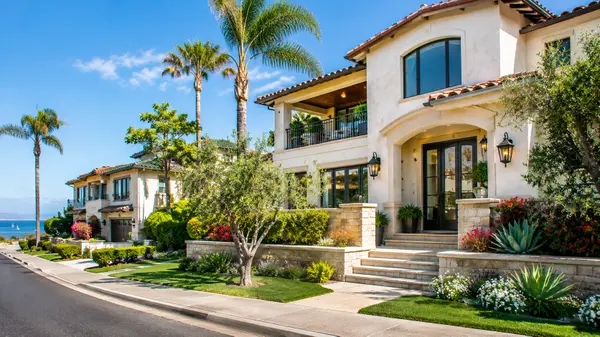
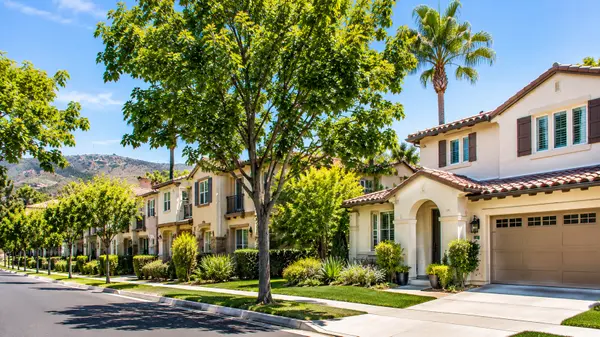
Cost of Living Comparison: What to Expect in Irvine
An Irvine cost of living comparison starts with housing, but a realistic relocation budget also includes taxes, insurance, transportation, utilities, and everyday spending. Irvine sits well above the national average on housing costs, so plan for expenses beyond the monthly home payment. For relocat
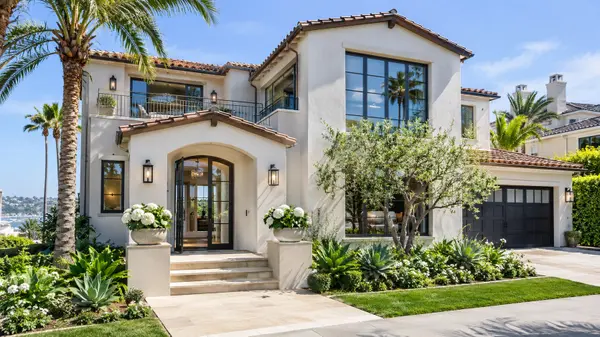
Using Your Newport Beach Starter Home Equity to Move Up
Your Newport Beach starter-home equity can help fund the down payment on your next purchase once you account for the mortgage payoff, selling costs, and reserves. You bought your first home in Newport Beach, and now it's working for you. The equity that built up quietly while you lived your life can
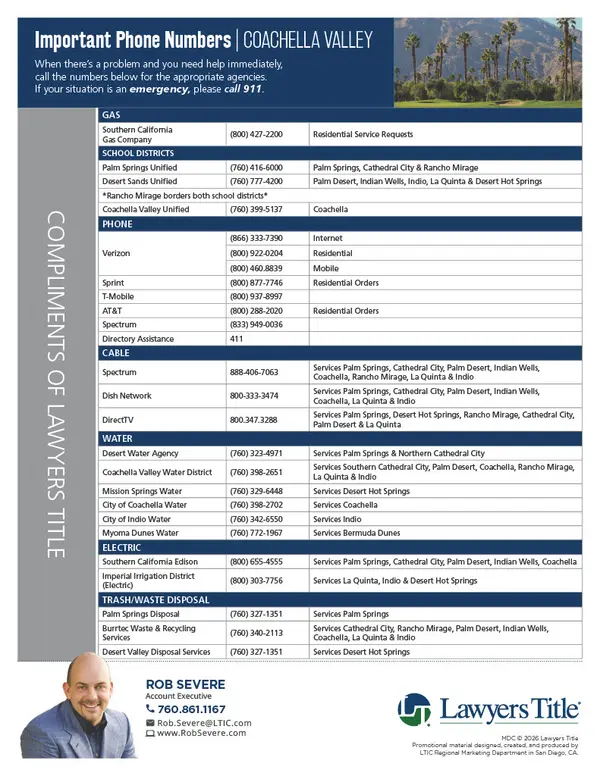
Important Phone Numbers | Coachella Valley
WORK WITH US
Reach out to an expert real estate agent today. Dive into the world of luxury real estate with guidance from our devoted team. Your dream home is within reach.


Real Estate Agent CA DRE# 01963102Brokerage DRE# 01008773
+1(949) 678-0999 | joe@9496780999.com