
Relocating to Irvine means preparing for a higher-cost Southern California market where your village choice shapes your commute, your housing budget, and your everyday routine. This Irvine Relocation Guide focuses on the decisions that matter before you move: housing costs, local schools, work access, climate, community amenities, and the practical differences between Irvine's villages. The strongest relocation plan starts with a realistic monthly budget and a short list of neighborhoods that fit how you expect to live, work, and get around.
Irvine Relocation Quick Reference
Home prices: Recent sales data on the Irvine community page shows a median sales price of about $1,599,387 and an average sales price of about $2,060,495 as of November 2026. Treat these as starting benchmarks rather than a price expectation for every property type. Condos, townhomes, detached homes, and homes in different villages can vary a lot in price.
Median household income: U.S. Census Bureau estimates (2019 to 2023) put the City of Irvine's median household income at $129,647, which helps explain steady demand across both mid-range and upper-tier housing.
Population: The City of Irvine had an estimated 318,683 residents as of July 2024. That scale supports a broad mix of retail, restaurants, parks, professional services, and community facilities.
Ownership vs. renting: About 43.8% of Irvine's occupied housing units are owner-occupied, so many newcomers rent first while they learn the villages before buying.
Commute planning: The average travel time to work for Irvine residents is about 24.3 minutes, but your drive depends heavily on your village, your destination, and the hour you travel. Before committing to a neighborhood, test likely routes during both morning and evening peak periods, especially if your routine includes the Irvine Business Complex, the university area, the Spectrum district, or the airport corridor.
Big relocation draw: Irvine's clearest draw is the combination of employment access and planned daily living, with professional services, education, health care, finance, technology, and manufacturing all represented in the local job base.
Why People Are Moving to Irvine
People move to Irvine for its mix of employment access, planned neighborhoods, and an outdoor-friendly routine that can make daily logistics easier. The local economy includes professional services, education, manufacturing, health care, finance, retail, and technology, giving newcomers more than one type of work environment to consider.
The city's major work areas include the Irvine Business Complex, the Spectrum district, the university corridor, and office campuses throughout the city. UC Irvine also brings a substantial academic, research, and health-related presence. For households balancing hybrid schedules or regular office trips, choosing a village around the actual work commute can matter more than choosing based on citywide reputation alone.
Housing remains the central tradeoff. Housing, transportation, education, insurance, and association fees can all shape your monthly picture. Irvine offers attached homes, detached homes, newer construction, and established village settings, but those options don't carry the same ownership costs or commute patterns.
The lifestyle appeal is practical. Parks, trails, retail centers, sports facilities, schools, and community spaces are built into many villages.
Housing Market Overview
Irvine's buyer experience is defined by high price points, distinct village identities, and real differences between attached and detached housing. The recent median sales price of about $1,599,387 is a broad benchmark, not a quote for every condo, townhome, or single-family home.
Condos can offer a more accessible entry point for first-time buyers and anyone prioritizing location, amenities, and lower maintenance. Townhomes may offer more interior space while keeping shared community features. Detached homes usually require a larger budget because lot size, privacy, school-boundary considerations, and village location all affect demand.
Conditions also change by price tier. A well-positioned home with updated finishes may draw more attention than a similar-sized property with higher fees, an unusual floor plan, or less convenient access to work corridors. For each home, compare active alternatives, recent closed sales, HOA obligations, whether there's more than one association, and the current tax bill.
Irvine's established and newer planned communities offer different tradeoffs. Woodbridge and Northwood provide mature village settings, while Great Park Neighborhoods, Portola Springs, and Orchard Hills offer newer housing and community amenities. The best comparison is property-specific, not citywide.
Neighborhoods and Villages in Irvine
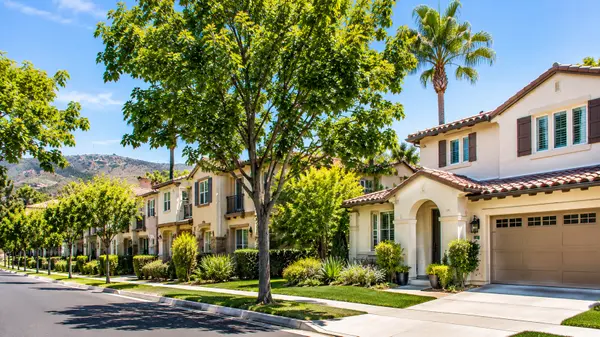
Irvine's villages offer distinct housing styles and routines, so compare them by commute, housing format, fees, and everyday amenities rather than one citywide price expectation.
Woodbridge combines condos, townhomes, and detached homes with lakes, paths, parks, pools, and a central Irvine setting. It can suit households that want an established village routine with recreation close to home and easy access to local shopping and employment corridors.
Northwood includes detached homes, townhomes, parks, and neighborhood retail. Its more established streetscape appeals to newcomers looking for a traditional suburban setting while staying connected to the city's work centers and services.
Great Park Neighborhoods offers newer attached and detached homes, sports facilities, open space, and contemporary floor plans around the Orange County Great Park. It can work well for first-time buyers entering the Irvine market, move-up households, and remote workers who value newer construction and community amenities.
Turtle Rock has a more established, hillside feel near UC Irvine and local open space. Buyers often consider it for mature landscaping, proximity to the university area, and a less uniform streetscape than some newer villages.
Portola Springs and Orchard Hills feature newer homes, trails, parks, and planned amenities. When comparing these villages, test travel times to work, confirm HOA structures, review tax bills for each property, and consider how lot configuration and home type affect the total budget.
Jobs and Economy
Irvine is a major Orange County employment center with a diversified base of professional services, education, manufacturing, health care, finance, technology, and retail work.
Major employment anchors include UC Irvine, the Irvine Business Complex, the Spectrum district, and the university and research corridor. These are useful reference points when choosing a village, especially if you expect regular in-office days.
The City of Irvine's median household income of $129,647 reflects the area's concentration of professional and specialized employment. Remote and hybrid workers will also find useful day-to-day infrastructure in neighborhood retail centers, libraries, parks, and commercial districts.
The practical relocation question isn't just where the jobs are. It's how your work schedule connects with your home search. Map your likely destinations, test routes at realistic travel times, and weigh commuting time against housing style, community fees, and proximity to the amenities you use most.
Schools and Education
Irvine is served primarily by Irvine Unified School District, while some addresses are served by Tustin Unified School District. School assignment is address-specific, so confirm attendance boundaries, enrollment procedures, transportation options, and available programs before choosing a home.
The Irvine area includes 47 elementary schools, 17 middle schools, and 13 high schools. Individual campuses with top ratings on file include Orchard Hills School, Santiago Hills Elementary, Turtle Rock Elementary, Lakeside Middle School, Irvine High School, Northwood High School, and Woodbridge High School.
Those ratings apply to specific campuses, not to an entire district or every school in the city. Programs and performance measures can change, so review current information directly from the district and the individual schools serving any address you're considering.
UC Irvine adds a major higher-education and research presence. Families can also compare practical details that affect daily routines, including school transportation, after-school activities, campus proximity, and how a village fits the household's commute.
Climate and Lifestyle
Irvine has a mild, dry climate that supports outdoor activity through much of the year, with warm summers, cool winters, and relatively little rainfall.
Outdoor life can include the Orange County Great Park, neighborhood sports fields, the Woodbridge lakes, and trails around Bommer Canyon Preserve. The variety of parks and open space gives residents plenty of options for walking, cycling, youth sports, and casual recreation without leaving the city.
Climate and location still belong in your budget. Southern California earthquake exposure makes insurance deductibles and property-specific factors worth a close look. Cooling needs, landscaping, utility use, and the condition of a home's windows and insulation can also change monthly ownership costs.
For most newcomers, the useful question is how the climate fits your real routine. Visit villages at different times of day, check shade and outdoor space, and think about whether a property supports how you want to spend weekends and evenings.
What to Budget Beyond the Purchase Price
Property taxes: Property taxes are based on assessed value and can include local charges beyond the base calculation. Review the current tax bill for each property rather than estimating from the listing price alone.
HOA fees: Association fees are common in many Irvine villages. Monthly costs vary by home type, amenities, and whether a property belongs to more than one association.
Special taxes and assessments: Some newer planned communities carry additional charges tied to public infrastructure. Compare the complete tax bill and disclosures for every property on your list.
Utilities: Actual bills depend on home size, insulation, cooling use, appliance efficiency, and occupancy.
Insurance: Earthquake coverage is usually considered separately from a standard homeowners policy. Compare deductibles, coverage limits, and property-specific factors before finalizing your monthly budget.
Is Irvine the Right Fit?
Irvine tends to be a strong fit for newcomers who prioritize planned villages, employment access, highly regarded public schools, and a suburban daily routine. The right village within Irvine depends on your work location, total monthly budget, preferred housing style, and the environment you want after the move. A quick way to narrow it down: pick two or three villages that match your commute, then compare actual homes, HOA structures, and tax bills side by side.
Frequently Asked Questions About Moving to Irvine
Is Irvine a good place to live?
Irvine can be a great fit if you value planned villages, employment access, parks, and a suburban lifestyle. The city had an estimated 318,683 residents as of July 2024, with housing ranging from condos to upper-tier detached homes. The best match depends on your budget, commute, and preferred daily pace.
How affordable is housing in Irvine?
Housing in Irvine requires a substantial budget, with a recent median sales price of about $1,599,387. It's important to look at transportation, taxes, insurance, and HOA fees alongside the purchase price, since those costs can vary a lot from village to village.
What are the job prospects in Irvine?
Irvine has a diverse employment base that includes professional services, education, manufacturing, health care, finance, retail, and technology. UC Irvine, the Irvine Business Complex, and the Spectrum district are key local employment anchors.
What should I know about schools in Irvine before moving?
Confirm school boundaries and enrollment details for the specific address before choosing a home. The Irvine area includes 47 elementary schools, 17 middle schools, and 13 high schools, with ratings available for individual campuses. Those ratings describe individual schools, not an entire district.
What are the biggest costs to budget for when relocating to Irvine?
Plan for housing, property taxes, HOA fees, possible special taxes, utilities, insurance, and moving expenses. A property-specific monthly estimate is far more useful than a citywide budget alone.
Planning Your Move to Irvine
A smooth move to Irvine comes down to matching your commute, school needs, and monthly budget with the right village before you start touring homes. Joe Chung is a licensed California real estate agent (CA DRE #01963102) with First Team® Real Estate in Newport Beach. Through Real Estate by Joe Chung, he offers community orientation and relocation support for regional and international movers, and he works fluently in English, Mandarin, and Taiwanese, which can make a cross-cultural move feel a lot more manageable.
To talk through Irvine villages, housing types, and the monthly costs that fit your move, call or text Joe at (949) 678-0999, email joechung@firstteam.com, or reach out through the contact page.
FROM OUR BLOG

Cost of Living Comparison: What to Expect in Irvine
An Irvine cost of living comparison starts with housing, but a realistic relocation budget also includes taxes, insurance, transportation, utilities, and everyday spending. Irvine sits well above the national average on housing costs, so plan for expenses beyond the monthly home payment. For relocat

Using Your Newport Beach Starter Home Equity to Move Up
Your Newport Beach starter-home equity can help fund the down payment on your next purchase once you account for the mortgage payoff, selling costs, and reserves. You bought your first home in Newport Beach, and now it's working for you. The equity that built up quietly while you lived your life can

Important Phone Numbers | Coachella Valley
WORK WITH US
Reach out to an expert real estate agent today. Dive into the world of luxury real estate with guidance from our devoted team. Your dream home is within reach.


Real Estate Agent CA DRE# 01963102Brokerage DRE# 01008773
+1(949) 678-0999 | joe@9496780999.com