
Selling a starter home in Irvine is most profitable when the list price, presentation, and offer strategy reflect direct local competition rather than broad citywide averages. Smaller condos, townhomes, and compact detached homes attract payment-conscious buyers who quickly notice condition, HOA obligations, parking, and monthly ownership costs. A focused plan helps first-time sellers protect their proceeds: compare recent like-kind sales, prepare visible details before launch, and evaluate every offer by its likely net result at closing.
Irvine's Starter-Home Market in Brief
Irvine's starter-home segment is best evaluated property by property rather than through one citywide figure. Condos, townhomes, attached residences, and smaller detached homes serve different buyer needs, even within the same village.
For context, recent sales data on the Irvine community page shows a citywide median sales price of about $1,599,387 as of November 2026. That number blends every property type, so it says very little about where a two-bedroom condo or a compact townhome should be priced.
The more useful reading is a current comparison of recent closed sales, pending homes, and active alternatives with the same property type, approximate size, condition, HOA structure, parking arrangement, and village setting. That comparison gives you a far more reliable pricing foundation than applying a broad average to a specific listing.
What the Irvine Starter-Home Market Looks Like Now
Selling a starter home in Irvine means paying close attention to the homes buyers can compare during the same week. The entry-level segment usually includes condos, townhomes, attached residences, and smaller detached homes, but buyer expectations shift by community, HOA model, parking setup, access to daily amenities, and condition.
A well-positioned home can get meaningful early attention because many buyers compare monthly ownership costs right alongside layout and location. Homes that look dated, have unresolved maintenance items, or launch above the competing set may see fewer early showings. The first few weeks matter most because that's when buyers are most likely to notice a new listing and compare it with current alternatives.
Your village should guide the comparison set. In Woodbridge, Northwood, and University Park, match your home with properties that share similar ownership structures, parking arrangements, community amenities, and practical access to schools, shopping, and commuter routes. An attached home with shared amenities can compete very differently from a compact detached home with private outdoor space, even when the two are close in price.
Seasonal timing can affect how many competing listings you face, but preparation should come first. Review active, pending, and recently closed homes before deciding whether your property needs a pricing adjustment, a cosmetic refresh, or clearer communication about HOA features.
How to Compare Against the Right Competition in Irvine
Your home's value is clearest when it stands out against the immediate alternatives with similar monthly costs and ownership features. Broad rankings and citywide trends are less useful than a tight look at what a qualified buyer will tour that same weekend.
Focus on whether your home is positioned clearly against those listings. Property type, HOA dues, parking, outdoor space, condition, and commuting convenience usually matter more to a starter-home buyer than any headline market statistic.
Price for Net Proceeds, Not Just the Headline Number
The best pricing strategy for a starter home in Irvine is to launch within the range supported by recent, highly comparable local sales. A solid comparative market analysis gives the most weight to property type, living area, condition, village setting, parking, HOA profile, functional layout, and the active alternatives on the market when your home launches.
Overpricing can be expensive in a payment-sensitive segment. Buyers may stretch for a well-presented home that lines up with comparable sales, but they often move on when the asking price feels disconnected from their other choices. Early activity matters because it gives more qualified buyers a reason to look before your home becomes familiar inventory.
Use clear search thresholds when the comparable evidence supports them. If your supportable range falls near a common buyer search cutoff, a price just below that threshold may broaden visibility while still being credible against recent sales. The point isn't to manufacture urgency. It's to make your home easy to spot as a well-positioned option.
A pricing review should also estimate the deductions from your expected sale price before the home is listed, so you know your likely net figure going in. If you'd like help framing those costs, timing questions, and documents, you can start that conversation here.
Preparing a Starter Home to Compete
The highest-value prep work is usually visible, functional, and right for the home's price point. In Irvine's starter-home segment, buyers respond to a property that feels clean, maintained, and ready for daily life. Fresh neutral paint, repaired drywall, working lights, clean grout, updated cabinet hardware, and orderly storage improve both the showing experience and the listing photos.
Address deferred maintenance before spending on ambitious remodeling. Water stains, damaged flooring, loose hardware, worn caulk, broken fixtures, and neglected outdoor areas can raise doubts that outweigh any new decorative feature. Prioritize repairs that remove uncertainty, then focus on details that make the home feel cohesive from room to room.
Skip highly personal upgrades that may not match your likely buyer. A major custom renovation right before listing can eat up time and money without improving the final result in proportion. Instead, use staging to show how compact rooms, patios, dining areas, and storage spaces work in everyday life.
Professional photography and precise listing copy matter just as much. Photos should clearly show the layout, natural light, parking setup, outdoor areas, and community features. Listing remarks should explain improvements, HOA information, storage, and practical features without overstating anything.
The Starter-Home Seller's Prep Checklist
- Price from recent comparable sales, not a broad citywide average.
- Repair visible maintenance issues before photography.
- Remove excess furniture and personal items from key rooms.
- Refresh paint, caulk, lighting, and worn hardware.
- Deep-clean kitchens, bathrooms, windows, and flooring.
- Gather HOA documents, permits, warranties, and repair records.
- Use professional photography that explains the layout clearly.
- Compare every offer using a written net-proceeds estimate.
Navigating Disclosures and Legal Requirements in Irvine
California sellers of one-to-four-unit residential properties generally must provide a Transfer Disclosure Statement describing the property's condition and known features, subject to statutory exemptions. The disclosure framework is set out in California Civil Code Section 1102.6.
For a home in a common-interest development, you'll also need to provide the association documents and financial information required under California Civil Code Section 4525. These can include governing documents, assessment information, budget materials, reserve disclosures, insurance information, and notices about unresolved violations.
The most common first-time seller mistake is treating disclosures as paperwork to pull together only after an offer arrives. Start early by gathering repair invoices, warranties, permits, HOA contacts, association notices, and records tied to known conditions. A complete, timely disclosure package gives buyers a clearer picture and helps avoid surprises during escrow.
Understanding Your Net Proceeds From an Irvine Sale
Your net proceeds are the sale price minus the mortgage payoff, negotiated compensation, transfer taxes, title and escrow charges, property tax adjustments, HOA costs where applicable, and any agreed buyer credits or repairs. A higher purchase price isn't automatically the stronger offer if it comes with more seller-paid costs or terms that raise the risk of renegotiation.
Orange County's documentary transfer tax is $0.55 for each $500 of taxable value, or fraction thereof. The Orange County Clerk-Recorder's current fee schedule lists a standard first-page recording fee of $12, although the final amount depends on the documents submitted, any exemptions, and additional pages.
Compensation is negotiable and should be spelled out clearly in your listing agreement and purchase terms. Seller concessions are negotiable too, so review them alongside price, financing strength, requested timing, HOA charges, and any buyer credit request.
Build a property-specific net sheet before responding to any offer. Include the proposed price, payoff amount, compensation terms, transfer tax, title and escrow estimates, HOA charges, credits, repairs, and closing-date adjustments. That worksheet keeps the focus on the money you'll walk away with, not just the headline price.
Estimated Seller Closing Costs in Irvine
The items below reflect Orange County's published recording-fee and documentary transfer tax materials.
| Cost item | Typical range |
|---|---|
| Negotiated compensation | Varies by listing agreement and transaction terms |
| Documentary transfer tax | $0.55 per $500 of taxable value, or fraction thereof |
| Owner's title policy | Varies by sale price, title terms, and escrow instructions |
| Escrow fee | Varies by provider and transaction complexity |
| Prorated property taxes | Varies by closing date, tax bill, and payment status |
| Recording fees | $12 for a standard first page, plus applicable charges |
| HOA-related charges | May apply for document delivery, transfer processing, or unpaid amounts |
| Total estimated cost | Varies with compensation, payoff balance, credits, title, escrow, and HOA items |
Reviewing Offers and Negotiating Smart
The strongest Irvine offer is the one that delivers the best mix of price, certainty, timing, and net proceeds. Review financing strength, earnest money, requested closing date, contingency periods, seller credits, included property, and repair requests alongside the price.
With competing offers, put the terms into one written comparison instead of relying on memory. A financed offer with a higher price can be less favorable than a slightly lower offer with cleaner terms, fewer seller-paid costs, and a timeline that fits your move. A cash offer may bring more certainty, but it still needs to be weighed against its price and requested concessions.
With a single offer, counter on the terms that most directly affect your proceeds. Price, credits, included items, repair requests, and closing timing can often be negotiated separately. The goal is a clear agreement that protects both your closing schedule and the amount you keep.
Pro Tip: The costliest mistake is accepting a headline price without reviewing every credit, fee allocation, and contingency deadline. Avoid it by running each offer through a written net-proceeds estimate before you respond.
Getting the Most From Your Irvine Starter-Home Sale
A focused review of your home's direct competition can clarify which improvements are worth doing, which comparable sales matter most, and which offer terms deserve a closer look. Joe Chung, a licensed California real estate agent (CA DRE #01963102) with First Team® Real Estate, helps Irvine sellers with data-informed pricing, tailored marketing, and full transaction management, in English, Mandarin, or Taiwanese.
To talk through your home's pricing and estimated proceeds, call or text (949) 678-0999, email joechung@firstteam.com, or reach out through the contact page.
Frequently Asked Questions
What is the best time of year to sell a starter home in Irvine?
The best time to list is when your home is prepared and priced against the comparable properties buyers can see right now. Before choosing a launch date, compare active listings, pending homes, and recent closed sales in the same Irvine property category.
How much does it cost to sell a home in Irvine?
Seller costs can include negotiated compensation, title and escrow charges, tax adjustments, HOA expenses, buyer credits, and Orange County documentary transfer tax. That tax is $0.55 for each $500 of taxable value, or fraction thereof, so a preliminary net sheet is important before you accept any terms.
How long does it take to sell an entry-level home in Irvine right now?
It depends on the home's price, condition, property type, HOA obligations, and the alternatives buyers can see at the same time. A current comparison of similar active, pending, and closed homes gives you a more useful estimate than a broad citywide average.
Should I make repairs before listing my starter home in Irvine, or sell as-is?
Complete repairs buyers will notice right away or that create uncertainty during a showing, then skip expensive personal upgrades with limited resale value. Fresh paint, cleaning, lighting, minor maintenance, staging, and clear photography usually make a bigger difference than a rushed major renovation.
How do I find out what my Irvine starter home is worth before I list?
Start with a property-specific valuation and a comparative market analysis built from recent like-kind sales, active listings, pending homes, and your home's specific features. The estimate should account for condition, parking, HOA structure, updates, village setting, and the costs likely to come out of the sale.
FROM OUR BLOG

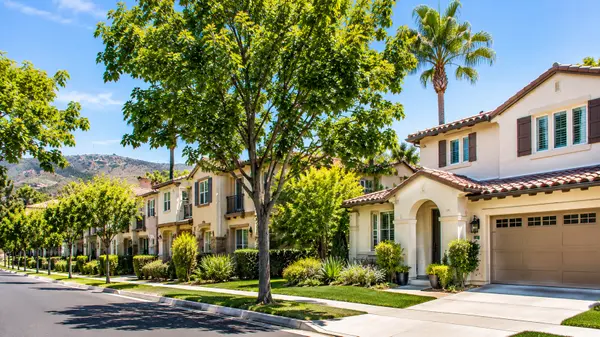
Cost of Living Comparison: What to Expect in Irvine
An Irvine cost of living comparison starts with housing, but a realistic relocation budget also includes taxes, insurance, transportation, utilities, and everyday spending. Irvine sits well above the national average on housing costs, so plan for expenses beyond the monthly home payment. For relocat
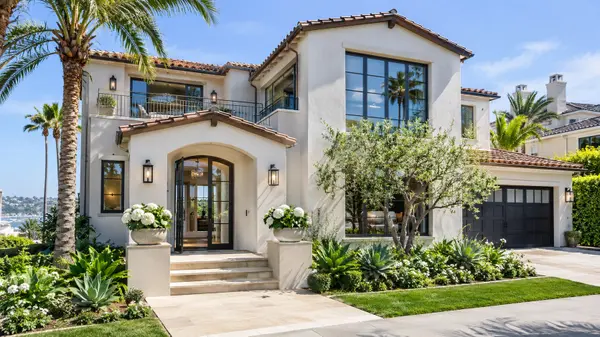
Using Your Newport Beach Starter Home Equity to Move Up
Your Newport Beach starter-home equity can help fund the down payment on your next purchase once you account for the mortgage payoff, selling costs, and reserves. You bought your first home in Newport Beach, and now it's working for you. The equity that built up quietly while you lived your life can
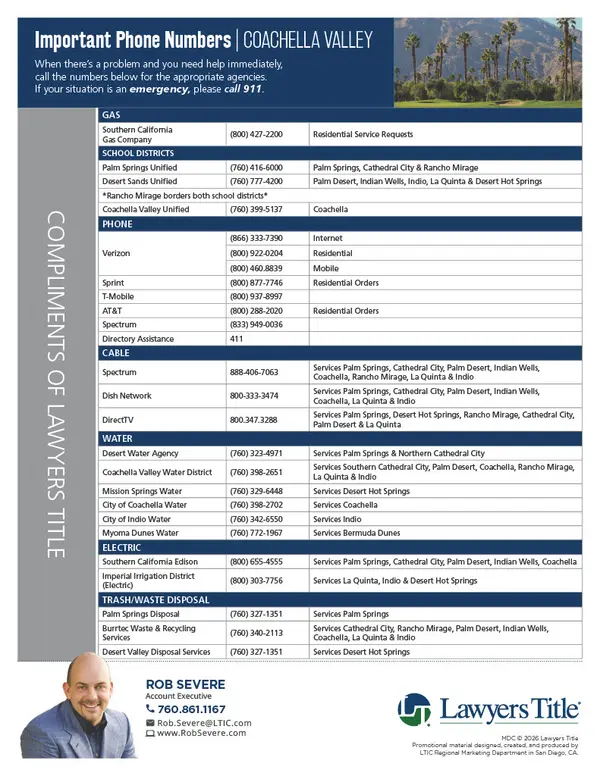
Important Phone Numbers | Coachella Valley
WORK WITH US
Reach out to an expert real estate agent today. Dive into the world of luxury real estate with guidance from our devoted team. Your dream home is within reach.


Real Estate Agent CA DRE# 01963102Brokerage DRE# 01008773
+1(949) 678-0999 | joe@9496780999.com