
Vacation Homes in Newport Beach: Why 2026 is the Perfect Time to Buy
Vacation homes in Newport Beach sit at the intersection of lifestyle and investment, supported by consistent visitor demand and limited coastline supply. According to Visit Newport Beach, the city attracts roughly 7.3 million visitors annually, generating hundreds of millions in travel spending as of 2023. That steady inflow of guests underpins rental potential along Balboa Peninsula, Balboa Island, and Corona del Mar, while year-round sunshine and ocean access anchor long-term desirability heading into the 2026 buying season.
Why Are Vacation Homes in Newport Beach Drawing More Buyers in 2026?
Several converging trends are pushing vacation homes in Newport Beach higher on 2026 priority lists. According to Redfin, coastal Orange County inventory has hovered near just 1 to 2 months of supply through late 2024, signaling tight conditions. At the same time, remote and hybrid work allow more extended stays in second homes. Proximity to John Wayne Airport, less than 5 miles from much of Newport Beach, makes weekend commuting feasible for buyers from Northern California, Arizona, and beyond.
Quality of life metrics further reinforce interest. Walk Score rates central Newport Beach walkability in the 70s, with bike scores often above 60 near Balboa Village and Lido Marina Village. That means many vacation homeowners can leave cars parked while walking to Newport Pier, the Balboa Fun Zone, or local cafés along the Balboa Peninsula boardwalk. Access to Crystal Cove State Park, Upper Newport Bay Nature Preserve, and miles of Pacific Coast Highway frontage keeps outdoor demand resilient in every season.
Late afternoons along the Balboa Peninsula promenade bring a soft orange glow over Newport Harbor, the sound of halyards tapping against masts, and the salty scent drifting in from the breakwater near the Wedge. Families wander toward Balboa Pier for the crunch of fresh waffle cones at local ice cream stands, while cyclists roll past rental cottages on West Balboa Boulevard. The faint music from restaurants at Lido Marina Village floats across the water, giving the shoreline a relaxed yet quietly energetic character.
How Do Prices and Returns on Vacation Homes in Newport Beach Compare?
Pricing for vacation homes in Newport Beach reflects true ocean adjacency, limited land, and strong income potential. According to Zillow data through mid-2024, many detached homes in Newport Beach trade between $2.5M and $5M, with bayfront and oceanfront estates often stretching well beyond $8M. Entry-level condos around Dover Shores and the Bluffs can start closer to $900,000, offering a lower-cost path to waterfront access while still benefiting from the city’s destination appeal.
Return profiles vary based on use, holding period, and location. According to recent Orange County trends tracked by Redfin, coastal home values in Newport Beach have generally moved within a range of roughly 3% to 6% annual appreciation over the past several years, despite short-term fluctuations. That performance reflects both the scarcity of buildable land near Newport Harbor and enduring demand for addresses close to Pacific Coast Highway, Kings Road, and Marguerite Avenue.
Rental income layers additional potential. Short-term leases in designated zones near Balboa Village, the Oceanfront Boardwalk, and the peninsula’s numbered streets can command strong seasonal rates. According to AirDNA, average daily rates in popular Newport Beach vacation corridors often range from about $350 to $800 per night during peak periods, depending on size and proximity to the sand. Even owners focused on personal use can offset carrying costs with selective high-season bookings.
Which Newport Beach Neighborhoods Work Best for Different Vacation Home Goals?
Different pockets of Newport Beach suit different vacation home strategies. Balboa Peninsula, stretching from Newport Boulevard down to the Wedge, caters to beach-focused stays with easy access to Newport Pier, Balboa Pier, and the Oceanfront Boardwalk. For buyers prioritizing charm and a village feel, Balboa Island and Little Balboa Island offer narrow streets like Marine Avenue and Sapphire Avenue, with cottages and bayfront homes arranged around the calm waters of Newport Bay. Each micro-area carries its own character and pricing tiers.
Corona del Mar, centered along East Coast Highway and streets such as Marguerite Avenue and Ocean Boulevard, blends upscale boutiques with tide pools at Little Corona Beach. According to Walk Score, many blocks in Corona del Mar achieve walk scores above 70, supporting car-light stays. Inland pockets like Eastbluff and Harbor View Homes, near Eastbluff Drive and Bonita Canyon Drive, provide quieter residential streets, larger lots, and proximity to award-winning schools including Corona del Mar High School and Harbor View Elementary.
Evening walks through Corona del Mar along Ocean Boulevard bring the cool feel of marine air on the skin, the rhythmic crash of waves below Inspiration Point, and the warm glow of porch lights lining Goldenrod Avenue. The scent of eucalyptus from nearby Sherman Library & Gardens mingles with grilling aromas from restaurants along East Coast Highway. From certain bluffs, the sight of Catalina Island on a clear day adds a distant shimmer beyond the shoreline homes, emphasizing the neighborhood’s coastal theater.
What Practical Factors Define a Smart 2026 Purchase in Newport Beach?
Sound planning around financing, taxes, and carrying costs will shape successful 2026 acquisitions. According to Consumer Financial Protection Bureau guidance, many second-home buyers using conventional loans target at least a 20% down payment to avoid private mortgage insurance. In Newport Beach, that can mean initial equity of $400,000 or more on a $2M purchase. Orange County’s effective property tax rate typically ranges near 1.0% to 1.2%, based on data from the Orange County Treasurer-Tax Collector.
Ongoing expenses require equal attention. According to surveys compiled by NAR, typical annual maintenance on coastal homes may run in the range of 1% to 2% of property value due to sun, salt air, and landscaping needs. In Newport Beach communities with amenities—such as guard-gated homes near The Resort at Pelican Hill, Mariners Mile condos on West Coast Highway, or townhomes in Newport Coast—HOA dues can span from roughly $300 to over $1,000 per month, depending on services and facilities.
School zones also influence long-term value, even for primarily vacation-focused purchases. Newport Harbor High School on Irvine Avenue and Corona del Mar High School on Eastbluff Drive each carry strong reputations. According to GreatSchools ratings accessed in 2024, several Newport-Mesa Unified campuses score between 8 and 10 out of 10. Proximity to these schools along streets like Dover Drive and 15th Street often supports resale demand from both full-time residents and second-home owners transitioning to permanent occupancy.
How Can Buyers Manage Risks and Regulations Around Newport Beach Vacation Homes?
Regulation awareness is crucial for anyone viewing vacation homes in Newport Beach through an income lens. The City of Newport Beach maintains specific rules for short-term lodging, particularly on segments of Balboa Peninsula and Balboa Island. According to the city’s Short-Term Rental program, permits, maximum occupancy limits, and minimum stay requirements all apply, with fines that can exceed $1,000 for violations. Some neighborhoods, including portions of Newport Coast, restrict short-term rentals entirely.
Insurance and hazard exposure form another risk layer. Coastal homes within certain zones near the Santa Ana River jetty, Upper Newport Bay, and low-lying parts of Balboa Peninsula can experience higher flood risk classifications. According to guidance from FEMA, designated flood zones may require separate flood policies, with annual premiums ranging widely from roughly $800 to more than $3,000, depending on elevation certificates and coverage levels. Wind, salt, and wildfire risk near the San Joaquin Hills also influence premiums.
Transaction execution benefits from detailed market visibility. The California Regional MLS (CRMLS) tracks active, pending, and closed listings throughout Newport Beach, including micro-areas like Newport Heights, Cliff Haven, and Westcliff. By reviewing days-on-market ranges—often under 30 days for well-priced homes near Fashion Island and Lido Marina Village—participants can calibrate offer timing, contingency lengths, and negotiation strategies that align with 2026’s likely competitive environment.
The 7.3 million annual visitors cited at the start of this guide reflects the durable tourism engine that underpins income potential for vacation homes in Newport Beach. That same figure from the opening underscores how limited coastline inventory, when paired with steady demand, can transform carefully selected properties into long-range assets. The California Regional MLS delivers the most granular, real-time window into shifting inventory and pricing dynamics across each Newport Beach micro-neighborhood. Buyers who register tailored listing alerts through that system and commit to touring and submitting offers within 24 hours of promising 2026 listings, particularly before the late-spring surge in May, consistently reduce competition risk and increase the likelihood of securing a preferred property on favorable terms.
FROM OUR BLOG
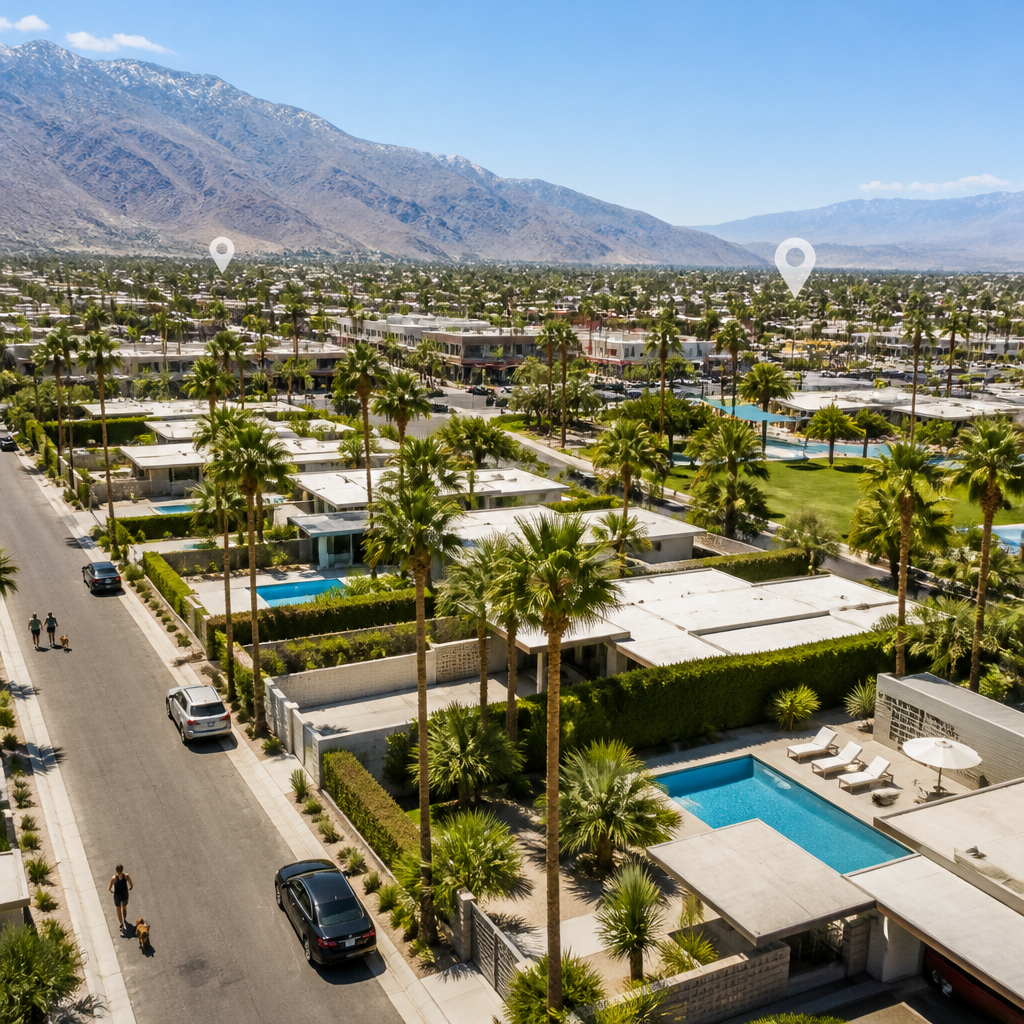
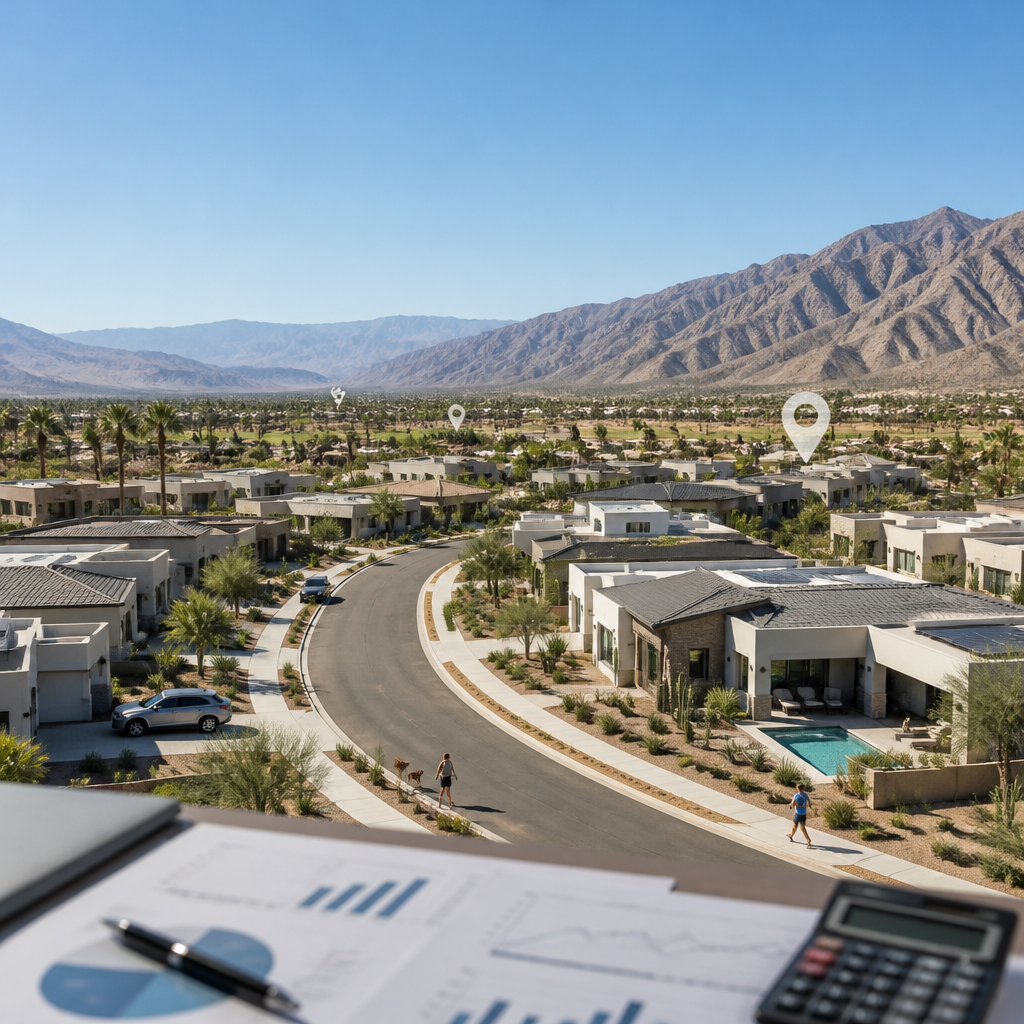
Exploring New Construction Homes in La Quinta: A 2026 Overview
Exploring New Construction Homes in La Quinta: A 2026 Overview New construction homes in La Quinta continue to draw attention from across California and beyond. According to Redfin, the typical La Quinta home price ranged roughly between $650,000 and $750,000 through mid-2024, with new builds often
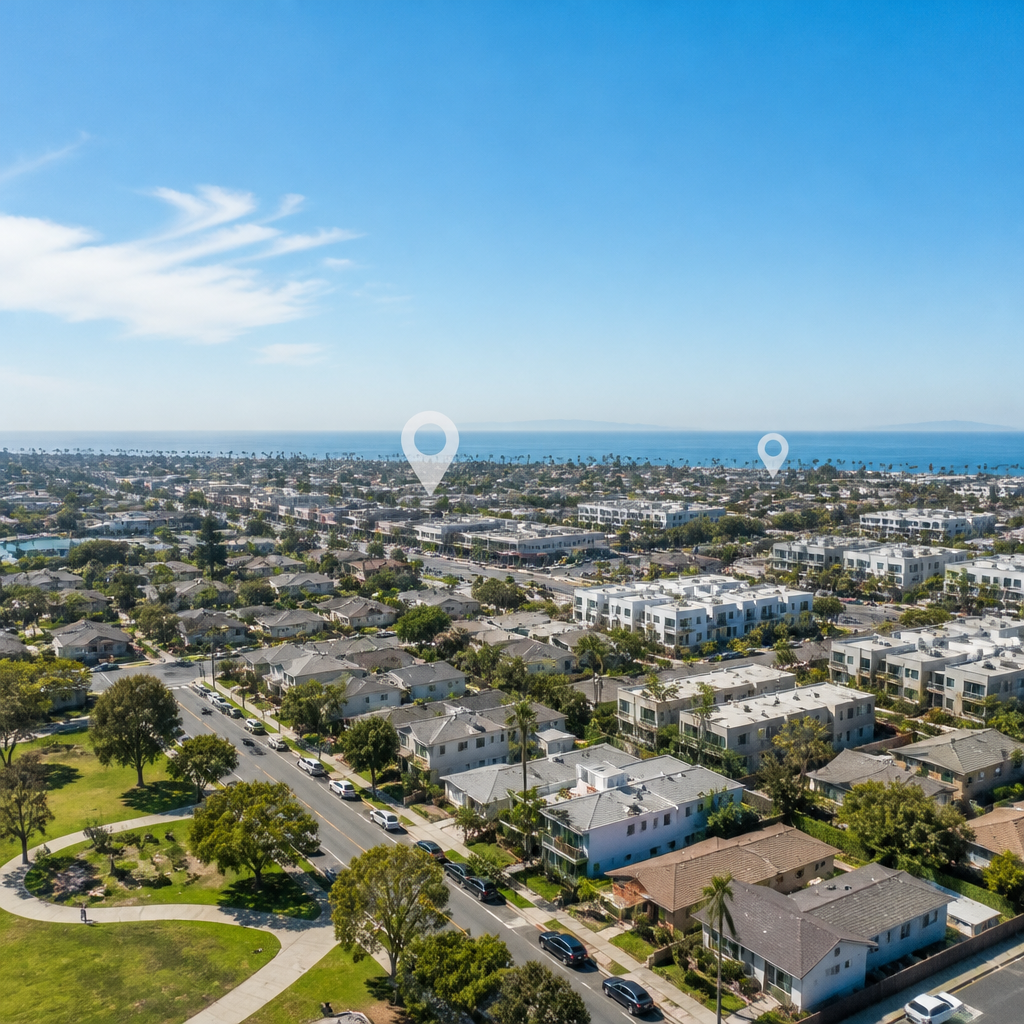
First-Time Homebuyers in Costa Mesa: Essential Tips for 2026
First-Time Homebuyers in Costa Mesa: Essential Tips for 2026 Costa Mesa’s coastal location and cultural amenities continue to attract first-time buyers, even as prices climb. According to Redfin data through early 2026, typical homes in the city often trade in a range around $1,000,000 to $1,200,000
WORK WITH US
Reach out to an expert real estate agent today. Dive into the world of luxury real estate with guidance from our devoted team. Your dream home is within reach.


Real Estate Agent CA DRE# 01963102Brokerage DRE# 01008773
+1(949) 678-0999 | joe@9496780999.com