
Buying a home in Newport Beach is a major financial decision, and it's a very local one. This Newport Beach Home Buyer's Guide helps you build a realistic budget, weigh coastal neighborhood tradeoffs, prepare for competitive offers, and move toward closing with confidence. Recent sales data on the Newport Beach community page shows a median sales price of about $4,272,500 as of November 2026, a useful planning reference rather than a substitute for property-specific comparisons.
Newport Beach Real Estate by the Numbers
Newport Beach is a high-value, highly segmented coastal city in Orange County where location, condition, views, parking, and community rules can matter as much as any citywide number.
Recent sales data shows a median sales price of about $4,272,500 and an average sales price of about $5,907,510. U.S. Census Bureau estimates for the City of Newport Beach (2019 to 2023) show a median household income of $158,461, about 38,103 households, and an owner-occupied housing rate of 53.1%. Use these figures as market context, not as a valuation for an individual home.
Current transaction measures, including days on market, active inventory, list-to-sale ratio, and sale-price medians, can vary widely between coastal cottages, harbor-oriented homes, condominiums, gated communities, and larger view properties. A home's pricing strategy and condition often define its negotiating position more clearly than a single market label.
What the Newport Beach Market Looks Like Right Now
Newport Beach is best viewed as a property-specific market, where well-priced homes with scarce lifestyle features can still command serious attention. Coastal access, harbor proximity, privacy, a functional floor plan, guest parking, updated systems, and a strong view corridor can all narrow the number of true alternatives available to you.
Rather than relying on one citywide trend, focus on the current supply of true substitutes for the home you're considering. If you're comparing Balboa Peninsula homes, weigh beach access, parking, lot utility, occupancy rules, and maintenance exposure against other properties with the same practical advantages. If you're considering Newport Coast, compare homes with similar views, lot orientation, association obligations, privacy, and access patterns.
Negotiating room can appear when a property has extended exposure, deferred maintenance, limited parking, an unusual layout, or pricing that runs ahead of comparable options. That doesn't automatically mean a big discount is on the table. It means you should understand why the home hasn't sold and which terms may matter most to the seller.
From there, compare active choices, recent closed sales, disclosures, ownership costs, and the seller's preferred timeline before deciding how aggressively to pursue a home.
Is Newport Beach a Buyer's or Seller's Market Right Now?
- Market balance varies considerably by neighborhood, property type, condition, and price tier.
- Homes with accurate pricing, strong presentation, useful parking, and hard-to-replace coastal features can attract meaningful competition.
- Longer exposure is more common when a home needs substantial updating, carries unusual ownership costs, or is priced above comparable alternatives.
- For buyers entering today, preparation creates leverage. A clear payment ceiling and focused property criteria make it easier to act decisively.
Step 1: Set a Realistic Budget Before You Search
A realistic Newport Beach budget starts with a monthly ownership cost that still feels comfortable after closing, not simply the maximum loan a lender might first discuss. Begin with reliable household income, existing debt, available down payment funds, cash reserves, and the money you want to keep for furnishing, maintenance, travel, and other priorities.
Property taxes deserve special attention because a purchase generally sets a new assessed value. Under California's Proposition 13 framework, the basic property tax rate is 1% of taxable value, plus additional rates for local voter-approved debt that vary by location. A change in ownership generally triggers reassessment to current market value, so the seller's tax bill may not reflect what you'll pay. The California State Board of Equalization explains the statewide framework.
Also model homeowners insurance, utilities, maintenance reserves, and HOA dues where they apply. Coastal conditions, building age, roof condition, replacement cost, association coverage, and property location can all affect ongoing expenses. Review current HOA financial documents and planned assessments before treating any monthly payment as final.
Pre-qualification is usually an early estimate based largely on information you provide. A fuller lending review uses documented income, assets, credit, and loan details. True affordability is the payment and cash commitment that still lets you keep the financial flexibility you want.
Monthly Cost Snapshot at the Newport Beach Median
The figures below use the recent Newport Beach median sales price of about $4,272,500. They assume a 20% down payment (about $854,500), a 30-year fixed mortgage at 7.11%, and the 1% statewide base property tax rate. They leave out local voter-approved tax charges, HOA dues, mortgage insurance, maintenance, and insurance because those costs vary by property and borrower.
| Purchase price | Estimated mortgage payment (principal and interest) | Property tax (1% base) | Insurance | Total estimated monthly cost |
|---|---|---|---|---|
| Median planning point: about $4,272,500 | About $22,993 | About $3,560 | Get a property-specific quote | About $26,554 before insurance, HOA, and local charges |
The 7.11% 30-year fixed-rate benchmark was reported by Freddie Mac's Primary Mortgage Market Survey on November 12, 2026. Loan amounts at this price level are typically jumbo loans, so your actual rate and terms may differ from the national average. Your lender's Loan Estimate, tax estimate, insurance quote, and HOA documents should control your final ownership budget.
Step 2: Get Pre-Approved Before You Search in Newport Beach
Pre-approval helps you present a more credible and organized offer when the right property comes along. Sellers can evaluate your offer more easily when financing, funds, and your closing plan have been reviewed before negotiations begin.
Pre-qualification is often a preliminary estimate. Pre-approval generally involves a more complete review of creditworthiness and supporting documents, although lenders use these labels differently. Have recent pay stubs, tax returns, W-2s or business returns, bank and investment statements, identification, and explanations for large deposits or income changes ready to go.
The Consumer Financial Protection Bureau notes that lenders may request different documentation and commonly check credit before issuing a pre-approval letter. It also notes that these letters can expire, often within 30 to 60 days.
For a higher-price purchase, ask your lender to model multiple scenarios, including different down payments, reserves, property taxes, insurance, and HOA obligations. A detailed payment model tells you far more than a headline purchase price.
Step 3: Choose the Right Newport Beach Area for Your Lifestyle and Budget
The right Newport Beach area is the one that supports your daily routine, ownership goals, and preferred balance of privacy, access, maintenance, and community character.
Balboa Peninsula can suit buyers who prioritize an active beach lifestyle, recreation, and walkable access to waterfront activity. Tradeoffs can include tighter lots, visitor traffic, limited parking, and more attention to exterior upkeep in a coastal setting. Compare usable outdoor space and parking arrangements carefully, not just square footage.
Balboa Island often appeals to buyers looking for a compact, harbor-oriented setting with a distinct village feel. Walkability and water access can be major differentiators, while lot dimensions, parking, and the day-to-day logistics of access deserve a close look.
Corona del Mar offers a mix of village streets, bluff-adjacent settings, coastal views, and varied architectural styles. It can fit buyers who value walkability and an established neighborhood feel, but privacy, renovation potential, traffic patterns, and view protection can change sharply from block to block.
Newport Coast is often a fit for buyers seeking larger residences, gated communities, elevated sites, and view-oriented homes. Expect more emphasis on association rules, dues, architectural controls, and driving to daily amenities. Review community documents and the specific home's orientation before assuming similar-looking properties offer the same lifestyle.
Eastbluff and other inland neighborhoods can work well for buyers who value parks, shopping access, and established residential streets, with a different ownership equation from the coastal villages. If you're buying a second home, some of these same tradeoffs come up in planning for a Newport Beach vacation property.
Visit serious candidates at more than one time of day to get a feel for traffic, noise, light, parking, and travel patterns.
Step 4: Search Strategically and Evaluate Properties
An effective Newport Beach search starts with fixed priorities and a repeatable way to evaluate homes. You can browse current listings by location, property type, price range, bedroom count, and other features that can't be changed after closing.
At a first showing, separate permanent characteristics from cosmetic finishes. A renovated kitchen can be updated later. Lot orientation, privacy, stairs, storage, traffic exposure, parking, and proximity to beaches or commercial activity can't.
Use a consistent checklist:
- Compare the home's location, condition, and utility with truly similar alternatives.
- Confirm parking, guest access, storage, stairs, and access routes.
- Review HOA rules, dues, reserve information, rental restrictions, and planned assessments when relevant.
- Look for signs of drainage concerns, exterior wear, corrosion exposure, aging systems, and prior remodeling.
- Revisit a leading property at a different time of day when possible.
Older coastal homes may need a closer look at roof condition, drainage, exterior materials, electrical updates, and evidence of water intrusion. The goal isn't to find a flawless home. It's to understand the ownership commitments before you write an offer.
Step 5: Make a Competitive Offer in Newport Beach
A competitive Newport Beach offer pairs a supportable price with terms that fit the property and the seller's priorities. Proof of funds, financing readiness, deposit structure, communication quality, and a practical closing timeline can all influence the seller's decision.
Start with recent sales and active alternatives that genuinely resemble the home. A property with a harbor location, a protected view, waterfront proximity, unusual architecture, or a scarce lot configuration may need a narrower comparison set than a typical inland home. List price alone should never define your ceiling.
Tailor your offer to the property's exposure, condition, and the seller's timing. A flexible closing date may be valuable if it solves the seller's next-step planning. An escalation provision can help in a multiple-offer situation when it has a clear maximum and a transparent process for verifying competing terms.
Your earnest money amount and financing terms should reflect your financial position and the details of the property. The strongest offer isn't always the highest number. It's the one that's well supported, clearly presented, and matched to the seller's practical needs.
Pro Tip: A common mistake is raising your price before understanding the full monthly cost and likely maintenance commitments. Look at the complete ownership picture before changing your offer terms.
Step 6: Due Diligence and Closing in Newport Beach
The period between an accepted offer and closing is when you confirm that the property, financing, title, and contract details line up with your expectations. In California, escrow is commonly handled by a neutral third party that coordinates documents, funds, conditions, and recording.
Due diligence should reflect the home's age, location, condition, and seller disclosures. Buyers often evaluate overall property condition, roof performance, sewer line condition, wood-destroying organisms, drainage, prior remodeling, and association materials when applicable. Coastal exposure, exterior wear, and older systems can make specialized inspections especially important.
The preliminary title report identifies recorded matters that may affect ownership, including easements, liens, covenants, and other exceptions. Read it early and ask questions while there's still time to resolve concerns.
The California Department of Real Estate notes that buyers commonly need savings for a down payment plus roughly 3% to 7% of the purchase price for closing costs. Actual expenses depend on financing, prepaid taxes and insurance, title and escrow charges, lender fees, and negotiated contract terms.
Review your Loan Estimate and escrow estimate well before signing final documents. Those property-specific documents give you the clearest picture of the cash you'll need to close.
New Construction vs. Resale Homes in Newport Beach
| Consideration | New Construction | Resale Home |
|---|---|---|
| Typical price positioning | May reflect newer finishes, current standards, and limited supply | Reflects location, condition, lot, improvements, and comparable sales |
| Negotiability | Builder credits or upgrades may be offered | Terms can shift with condition, exposure time, and seller priorities |
| Property review | Review plans, specifications, completed work, and warranty documents | Review disclosures, maintenance history, visible condition, and improvements |
| Customization | Some selections may be available before completion | Changes are generally made after closing |
| Move-in timeline | Depends on construction milestones and completion | Can often be negotiated with the seller |
| Warranty coverage | Builder and manufacturer coverage may apply under stated terms | Depends on remaining or separately negotiated coverage |
| Financing | Compare any builder-affiliated program with other loan options | Buyers can select financing that fits their circumstances |
Planning Your Newport Beach Purchase
Whether you're a first-time buyer stretching into the coast, a move-up buyer, or a luxury buyer comparing view homes in gated communities, the best Newport Beach purchases come from knowing your true monthly cost and your true alternatives before you write an offer. Joe Chung is a licensed California real estate agent (CA DRE #01963102) based at First Team® Real Estate's Newport Beach office, and through Real Estate by Joe Chung he helps buyers with property search, neighborhood evaluation, offer strategy, negotiation, and closing guidance, in English, Mandarin, or Taiwanese.
To talk through your target property type, ownership costs, and timeline, call or text Joe at (949) 678-0999, email joechung@firstteam.com, or connect through the contact page.
Frequently Asked Questions: Buying a Home in Newport Beach
How much do I need for a down payment to buy in Newport Beach?
It depends on the loan program, purchase price, credit profile, and lender requirements. At the recent median sales price of about $4,272,500, a 20% down payment would be about $854,500. Also set aside cash for closing costs, prepaid taxes and insurance, HOA expenses where applicable, and post-closing needs. The California Department of Real Estate suggests planning for a down payment plus roughly 3% to 7% of the purchase price for closing costs.
How long does it take to buy a home in Newport Beach from search to close?
The search timeline depends on inventory, budget, and how quickly you find the right property. Once an offer is accepted, the closing schedule depends on financing, title, escrow conditions, and the terms in your contract. A current pre-approval and organized documents help you move quickly when the right home appears.
Is Newport Beach a good place to buy a home right now?
Newport Beach can be a strong fit when the property, payment, location, and long-term ownership plan line up with your goals. With a recent median sales price of about $4,272,500, careful property-specific comparisons are essential. Focus on true substitutes, ongoing costs, and lifestyle fit rather than a broad market label.
What are closing costs for buyers in Newport Beach?
Buyer closing expenses commonly include lender fees, title and escrow charges, prepaid property taxes, homeowners insurance, and transaction-specific services. The California Department of Real Estate estimates that buyers may need an additional 3% to 7% of the purchase price for closing costs. Your Loan Estimate and escrow estimate provide the figures for your specific transaction.
Do I need a buyer's agent in Newport Beach, and what does it cost?
A buyer's agent can help you compare neighborhoods, evaluate property information, prepare offer terms, and coordinate the transaction through escrow. Compensation is negotiable and should be spelled out in a written buyer representation agreement before touring homes. That agreement should explain services, compensation, and the representation structure.
FROM OUR BLOG
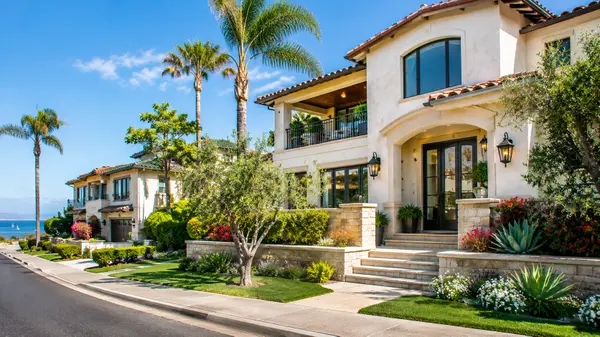
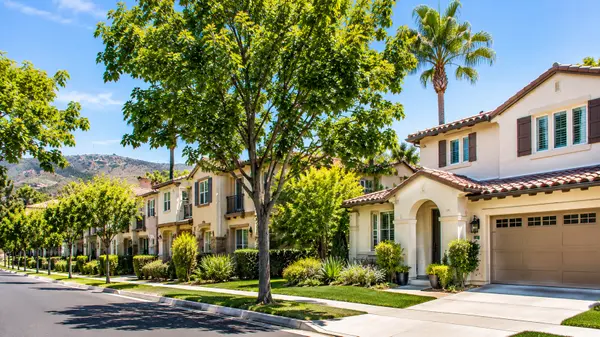
Cost of Living Comparison: What to Expect in Irvine
An Irvine cost of living comparison starts with housing, but a realistic relocation budget also includes taxes, insurance, transportation, utilities, and everyday spending. Irvine sits well above the national average on housing costs, so plan for expenses beyond the monthly home payment. For relocat
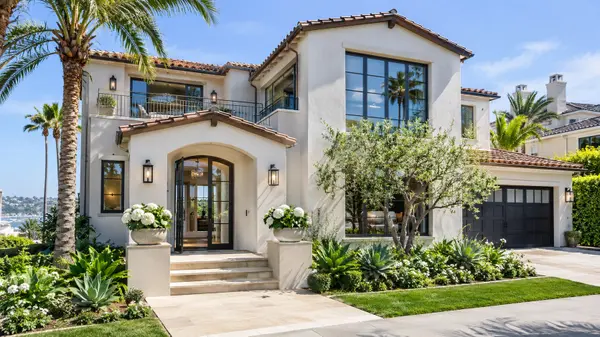
Using Your Newport Beach Starter Home Equity to Move Up
Your Newport Beach starter-home equity can help fund the down payment on your next purchase once you account for the mortgage payoff, selling costs, and reserves. You bought your first home in Newport Beach, and now it's working for you. The equity that built up quietly while you lived your life can
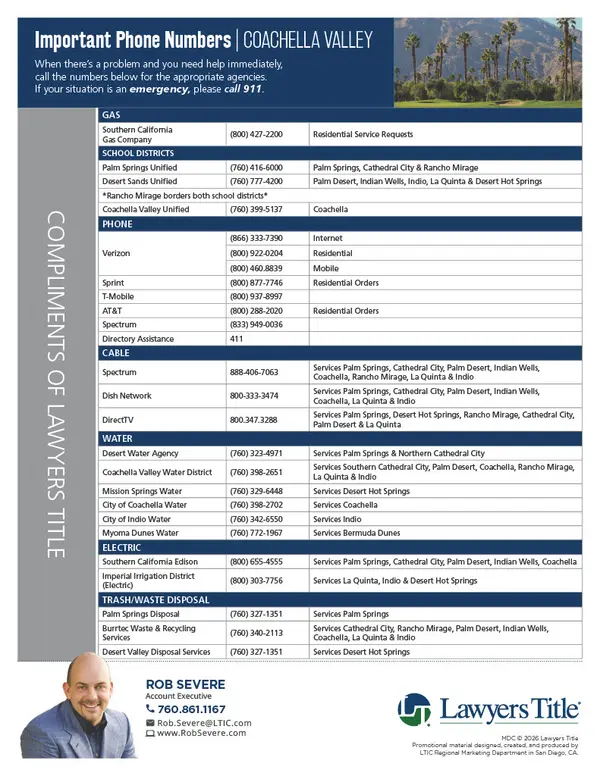
Important Phone Numbers | Coachella Valley
WORK WITH US
Reach out to an expert real estate agent today. Dive into the world of luxury real estate with guidance from our devoted team. Your dream home is within reach.


Real Estate Agent CA DRE# 01963102Brokerage DRE# 01008773
+1(949) 678-0999 | joe@9496780999.com